Adages and Proverbs Worksheets for 4th Grade
Home › 4th Grade › Reading & Writing
Download PDF worksheetAnswer key (PDF)Worksheet + answer key (2 pages)
Prints on one US Letter page; the answer key is a separate page. Print at 100% / "Actual size" on US Letter paper. Free for personal and classroom use.
Skill: Explaining the meaning of common adages and proverbs
Teaching tips and what to try next
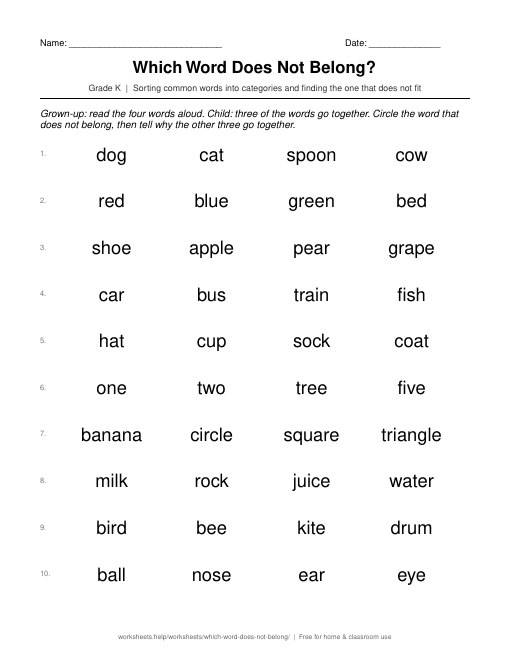
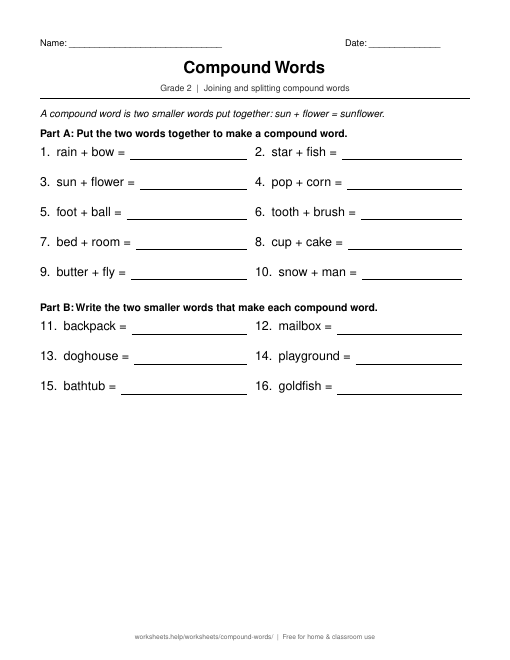
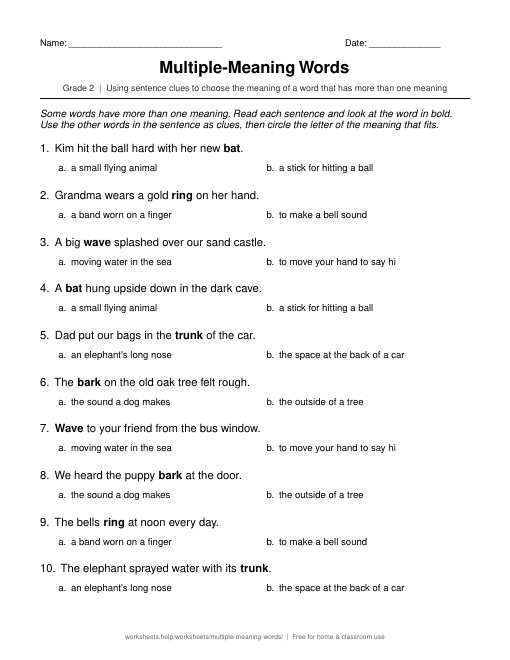
Suits fourth graders who read chapter books and already know that some phrases mean more than their words. Ask your child to say each proverb's advice in their own words before looking at the choices, which shows real understanding. Similar figurative phrases appear in Idioms: What Do They Mean?, and Context Clues helps with unfamiliar words inside the sayings.
Related worksheets
About this worksheet
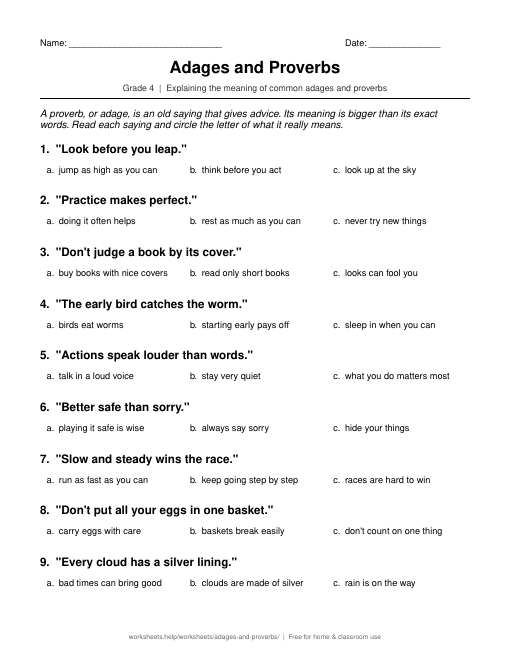
Adages and proverbs are short, old sayings that give advice, such as "Look before you leap." Children hear them from grown-ups and meet them in stories, but the meaning is not about the exact words: nobody is really leaping. Fourth graders are expected to recognize and explain common adages and proverbs, and this fourth-grade worksheet introduces nine well-known ones.
The page has nine sayings, such as "Practice makes perfect," "The early bird catches the worm" and "Slow and steady wins the race." Under each saying are three choices. One gives the real meaning, while the other two take the words too literally or miss the point. Children circle the letter of the meaning that fits. The right answer is in a different position from one saying to the next, so children have to read every choice before they decide.
How to use it: read each saying aloud and ask your child what picture it puts in their head. Then ask what advice that picture might be giving. Talking about a time when the saying would have helped, such as rushing through homework, makes the meaning stick. After the sheet, try using one of the proverbs during the week and see if your child notices. Children often enjoy inventing a short story that ends with the saying as its lesson.
The answer key circles every meaning. For more phrases that do not mean what they say, try our Idioms: What Do They Mean? worksheet. For comparisons in writing, try our Similes and Metaphors worksheet.